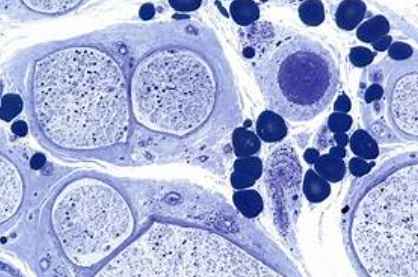
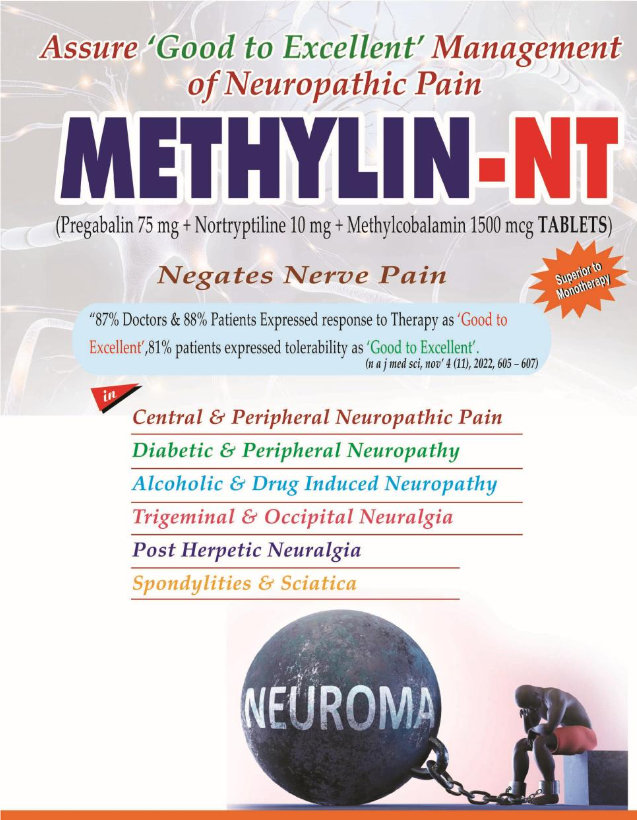
Neuropathy refers to damage or disease affecting the nerves. It can impair
sensation, movement, gland function, and organ function, depending on which
nerve fibers are affected1 . Here are some key points about neuropathy:
Peripheral Neuropathy: This type of neuropathy occurs when the nerves
outside the brain and spinal cord (peripheral nerves) are damaged. It often
causes weakness, numbness, and pain in the hands and feet2 . Common
causes include diabetes, alcohol use disorder, and certain infections.
Symptoms: Neuropathy symptoms can vary and may include pain, abnormal
sensations (paresthesias), and loss of bladder or bowel control3 .
Causes: While about 30% of neuropathy cases are due to diabetes, other
conditions like shingles, HIV/AIDS, and alcohol use disorder can also cause it
Treatment: Treatment options include managing underlying conditions,
lifestyle changes, and medications to alleviate symptoms .
Diabetic neuropathy is a type of nerve damage that can occur if you have
diabetes. Here are some key points:
Overview:
High blood sugar (glucose) can injure nerves throughout the body.
Most often damages nerves in the legs and feet. Symptoms include pain,
numbness, and problems with the digestive system, urinary tract, blood
vessels, and heart1 .
Types of Diabetic Neuropathy:
* Peripheral Neuropathy: Affects feet and legs first, followed by hands and
arms. Symptoms include numbness, tingling, pain, and foot problems.
* Autonomic Neuropathy: Affects blood pressure, heart rate, bladder,
bowel, stomach emptying, sweating, and sexual response.
* Proximal Neuropathy: Often affects thighs, hips, buttocks, legs, and
abdominal/chest area1.
Prevention:
Consistent blood sugar management and a healthy lifestyle can help prevent
or slow its progress.
Take good care of your feet to avoid complications
Sciatica refers to pain that travels along the path of the sciatic nerve. Here
are some key points:
Symptoms:
Pain radiates from the lower back into the hip and outer side of the leg.
- Leg pain is more common on the inner side of the thigh.
- Constant lower back pain.
- Weakness, numbness, or difficulty moving the leg.
- Pain worsens when sitting.
- Tingling sensation along the thigh and leg123.
Causes:
Most common cause: Slipped disc compressing the sciatic nerve.
Other causes: Lumbar spinal stenosis, spondylolisthesis, piriformis syndrome,
pregnancy, and more.
Risk factors: Age, diabetes, obesity, high heels, smoking, and mattress type1 .
Complications (rare):
* Loss of sensation in the affected leg.
* Loss of bowel or bladder function.
* Weakness in the affected leg1 .
Prevention:
* Regular exercise.
* Proper posture while sitting.
* Avoid heavy weight lifting1.
Remember to consult your healthcare provider for personalized advice!
Pregabalin is a medication used to treat various conditions.
Uses:
Pain caused by nerve damage due to diabetes, shingles (herpes zoster)
infection, or spinal cord injury.
Fibromyalgia-related pain.
Partial-onset seizures in adults and children (at least 1 month old).
Mechanism of Action:
Pregabalin inhibits certain calcium channels, specifically α₂δ subunit-
containing voltage-dependent calcium channels (VDCCs)1.
Side Effects:
Common: Blurred vision, dry mouth, drowsiness, concentration difficulty,
dizziness.
Serious: Unusual bleeding/bruising, unsteadiness, swelling of hands/legs/feet,
signs of kidney problems2 .
Warnings:
Severe allergic reactions (hives, blisters, trouble breathing).
Suicidal thoughts (stay alert to mood changes).
Weight gain or swelling (especially if you have diabetes or heart problems).
Avoid sudden discontinuation to prevent withdrawal symptoms2.
Remember to consult your doctor for personalized advice
Nortriptyline is a tricyclic antidepressant used to treat various conditions.
Here are the key points:
Uses:
Depression: Nortriptyline helps manage symptoms of depression by affecting
brain chemicals that regulate mood1.
Neuropathic Pain: It is sometimes used for neuropathic pain2.
Other Uses: Attention deficit hyperactivity disorder (ADHD), smoking
cessation, and anxiety2.
Side Effects:
Common: Dry mouth, drowsiness, dizziness, blurred vision, constipation,
weight gain.
Serious: Serotonin syndrome (if combined with other drugs that increase
serotonin), heartburn, muscle spasms, and more3.
Warnings:
Avoid use after a recent heart attack or with certain medications (MAO
inhibitors).
Monitor for mood changes, suicidal thoughts, and unusual behavior.
Use caution when operating vehicles or machinery due to potential
drowsiness or dizziness.
Limit sun exposure while taking nortriptyline
Methylcobalamin is the active form of vitamin B12 used in adults, either
alone or in combination with other vitamins, as a dietary supplement. Here are
some key points:
Importance: Methylcobalamin is crucial for brain and nerve health, as well as
red blood cell production1.
Sources: It naturally occurs in animal-based foods like meat, fish, eggs, and
dairy products2.
Uses:
Vitamin B12 Deficiency: Methylcobalamin is commonly used to treat or
prevent vitamin B12 deficiency.
Nervous System Maintenance: It plays a role in maintaining the nervous
system3 .
Side Effects:
Allergic reactions (hives, difficulty breathing, swelling).
Less serious side effects may occur.